Concrete curing temperature guide: safe hot and cold limits
Concrete curing temperature guide. The Science of Concrete Curing: Protecting Your Foundation from frost of dehydration.
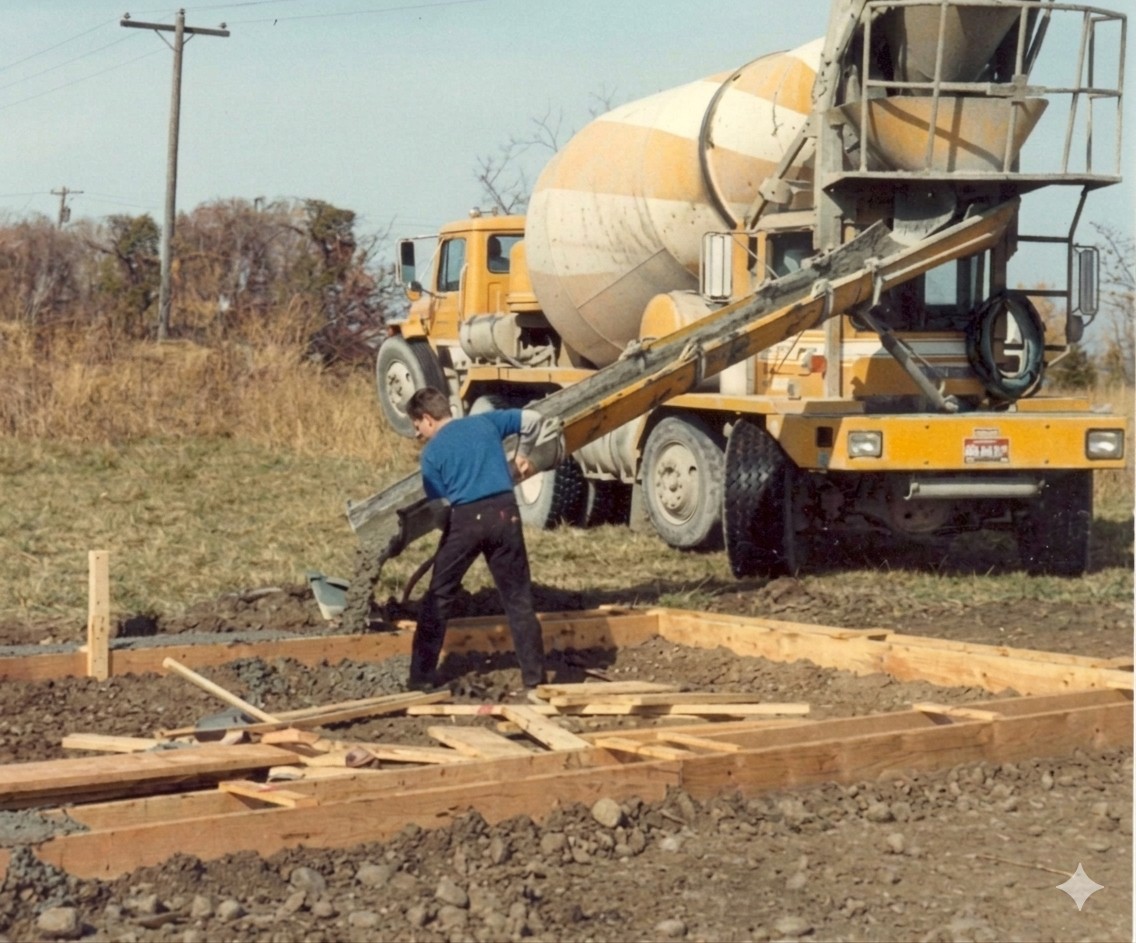
The first cement pour for the footings seems like a frantic effort if you're all alone. It's totally doable with one person, but it's better if you have a little help. You will want to make sure the footing forms get filled to the top all around. You will probably need to take a shovel full from here and add one over there. The drivers are usually very skilled and they know that the forms need to be filled to the top without pouring too much and wasting it if it falls on the ground. Pouring the footings successfully is quite simple if you've planned ahead to make sure they cure slowly and properly.
Why Curing Matters
Concrete does not simply "dry" to get hard; it undergoes a chemical reaction called hydration. During hydration, cement molecules bond with water to form a rock-solid crystalline matrix. If concrete dries out too fast, or if the water freezes, this reaction stops permanently, leaving you with a weak, cracking foundation.

Threat 1: Cold Weather & Freezing
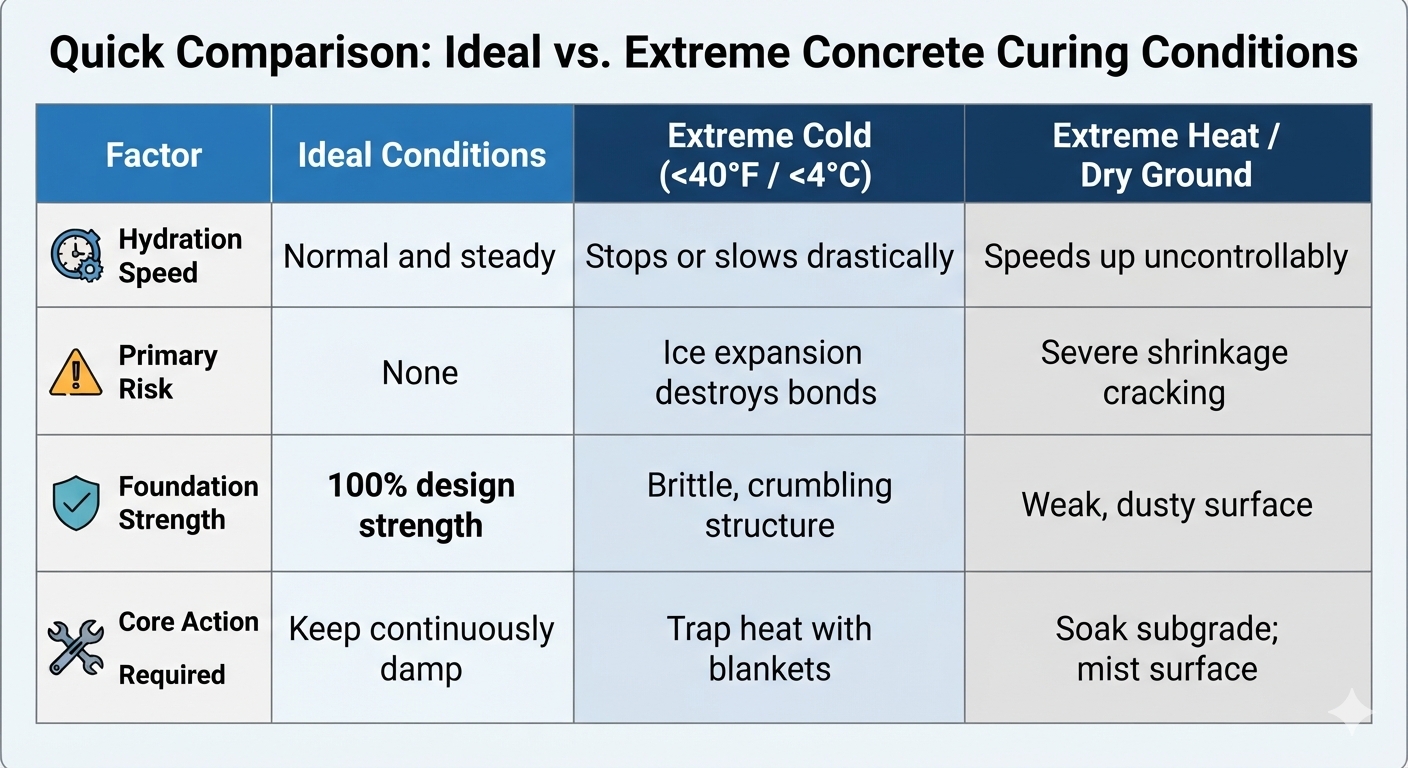
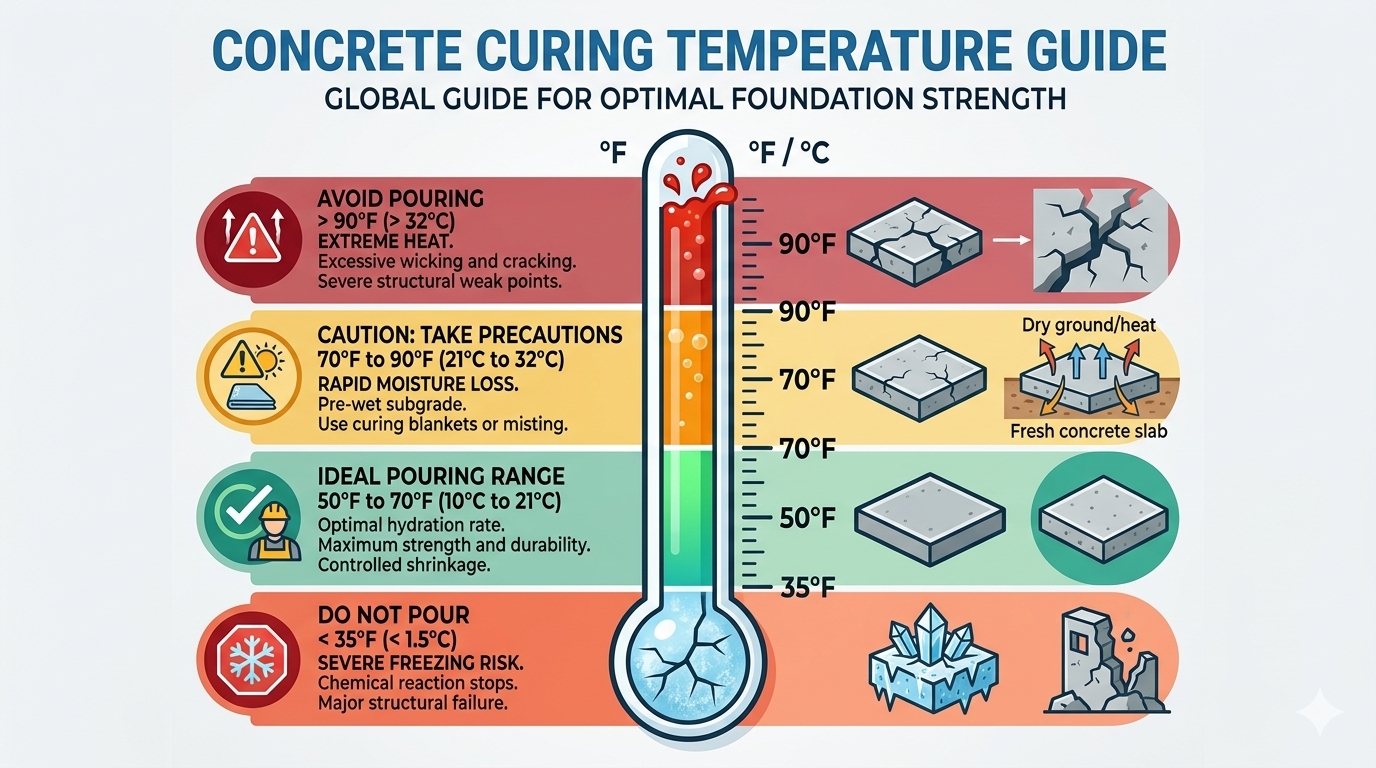
When temperatures drop below 40°F (4°C), the chemical hydration process slows down significantly. If the water inside the wet concrete freezes before it gains strength, the following happens:
Internal Expansion: Water expands by about 9% when it freezes.
Micro-cracking: This expansion shatters the fragile crystalline bonds forming inside the paste.
Strength Loss: Freezing concrete in its first 24 hours can reduce its ultimate strength by up to 50%.
How to Protect It:
Insulated Blankets: Cover the slab with concrete curing blankets or insulation to trap the heat generated by the chemical reaction.
Heaters: Use enclosures and space heaters in extreme cold, ensuring they don't dry out the air completely.
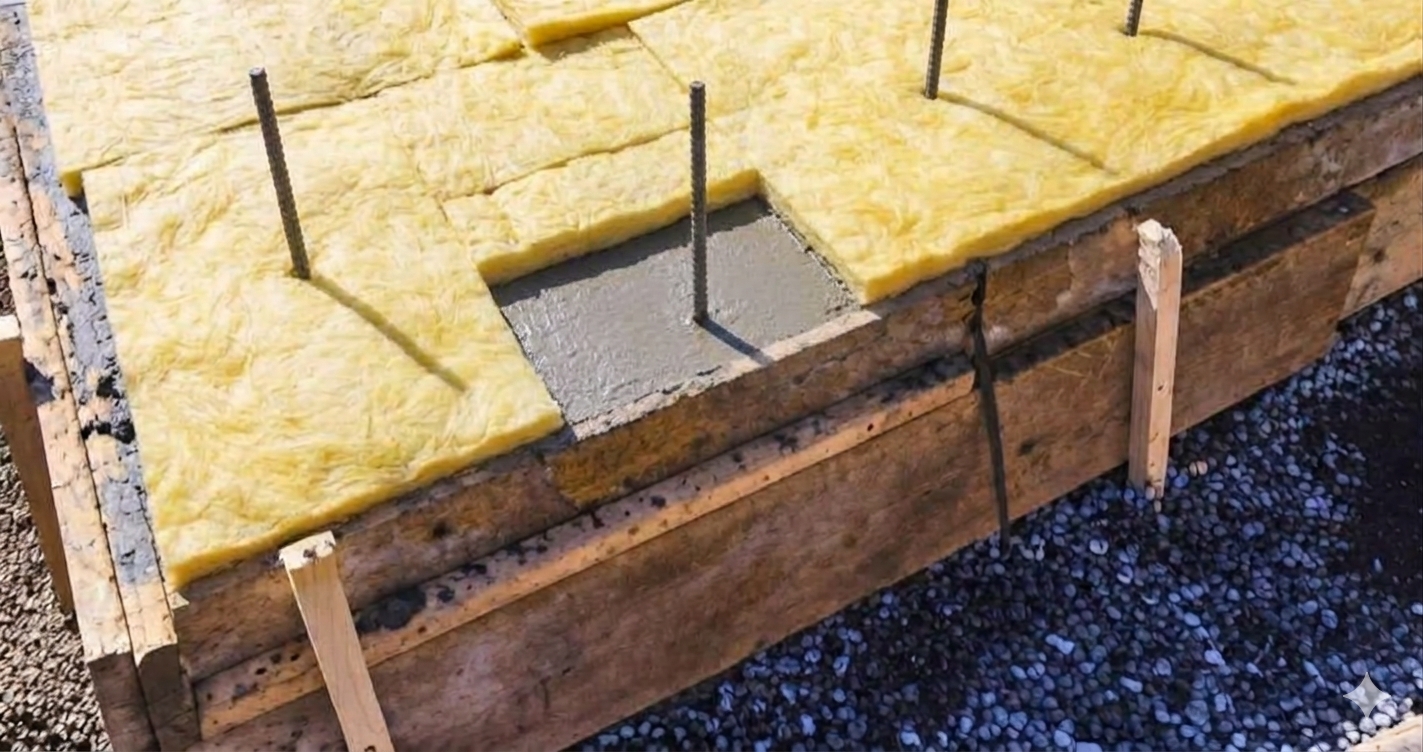

Threat 2: Hot Weather & Dry Ground Wicking
When it is hot, windy, or if you pour directly onto dry subgrade soil, you risk premature dehydration.
Subgrade Wicking: Dry ground acts like a sponge. It rapidly sucks essential water out of the bottom of your concrete.
Evaporation: High winds and heat pull moisture from the top surface.
Plastic Shrinkage: The concrete shrinks faster than it can handle, leading to severe surface cracks before it even sets.
How to Protect It:
Pre-wet the Subgrade: Spray the ground with water before pouring so it won't steal moisture from the concrete.
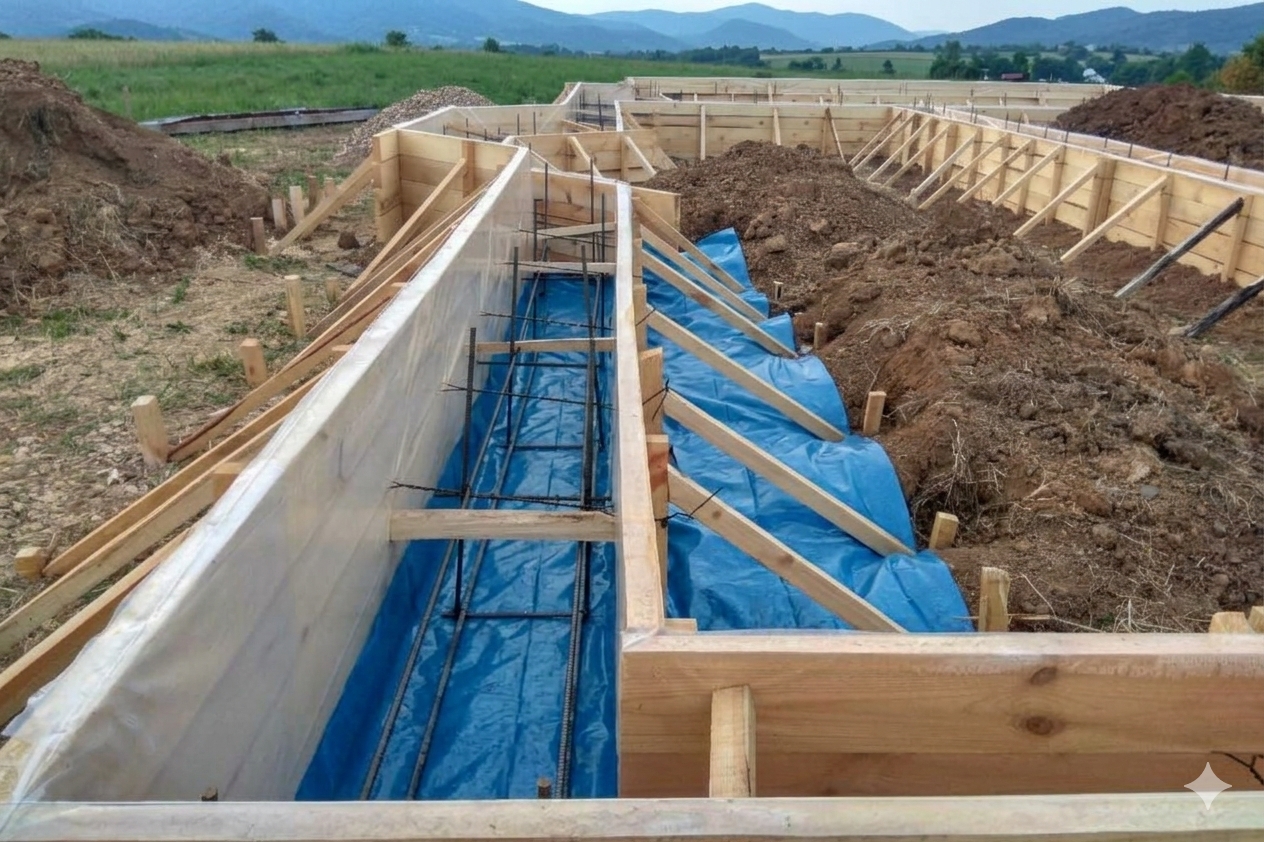
Moisture Barriers: Lay down a plastic vapor retarder over the soil.
Continuous Wetting: Keep the surface damp by misting it with water or covering it with wet burlap and plastic sheeting for at least 3 to 7 days.