Owner-builder mindset for beginners that may have questions and doubts
The owner-builder mindset for beginners usually starts out with a lot of stark reality and that is a good thing. To wonder if you really can accomplish this project with little or no experience is normal. Also to truly wonder if you realistically can actually build something that has value even though you are a newbie to the world of home construction is quite common. I know I felt that way at the start. Here's the thing...
A home's value depends on it's size compared to other similar homes in the neighborhood that are selling.
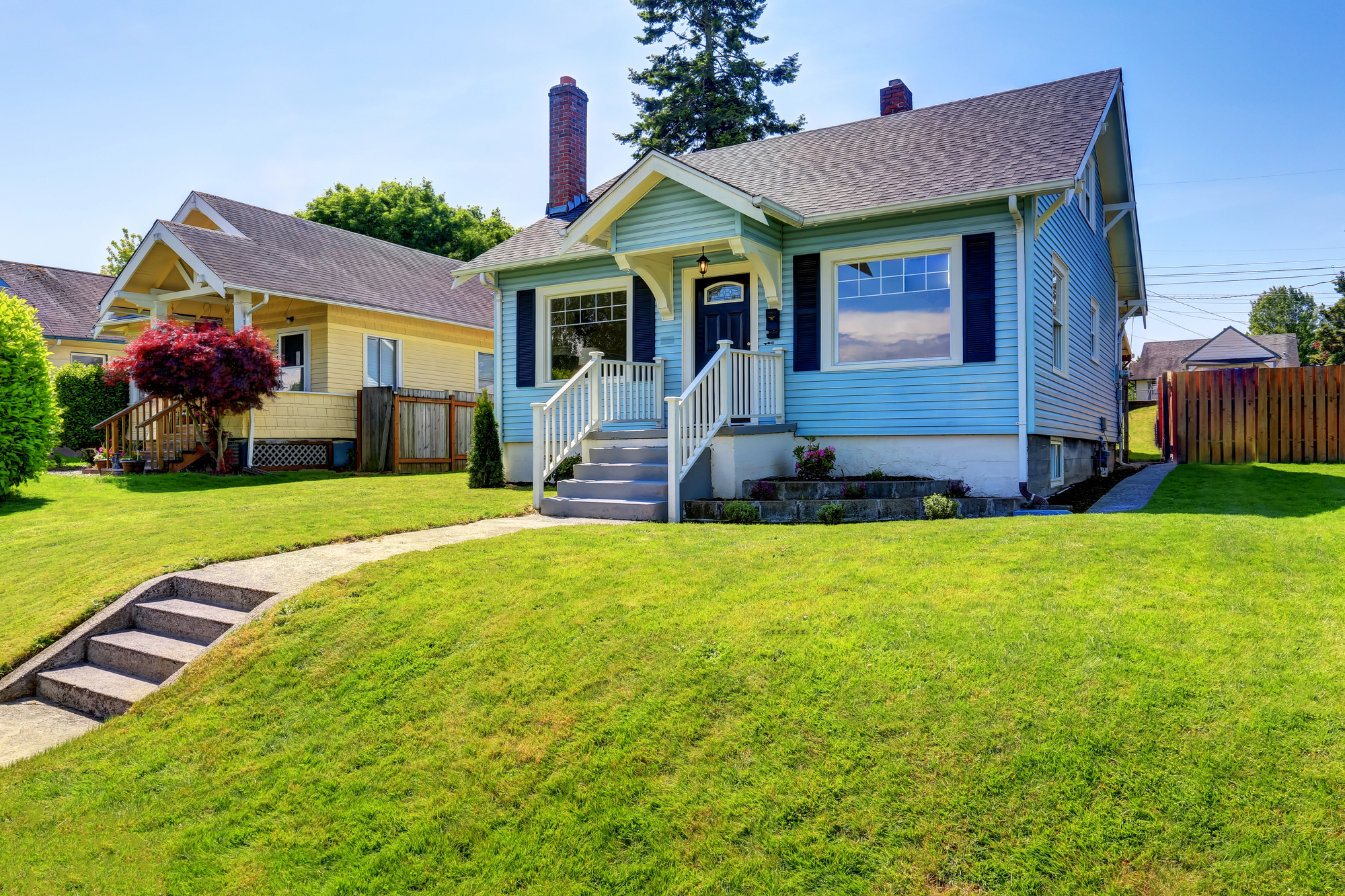
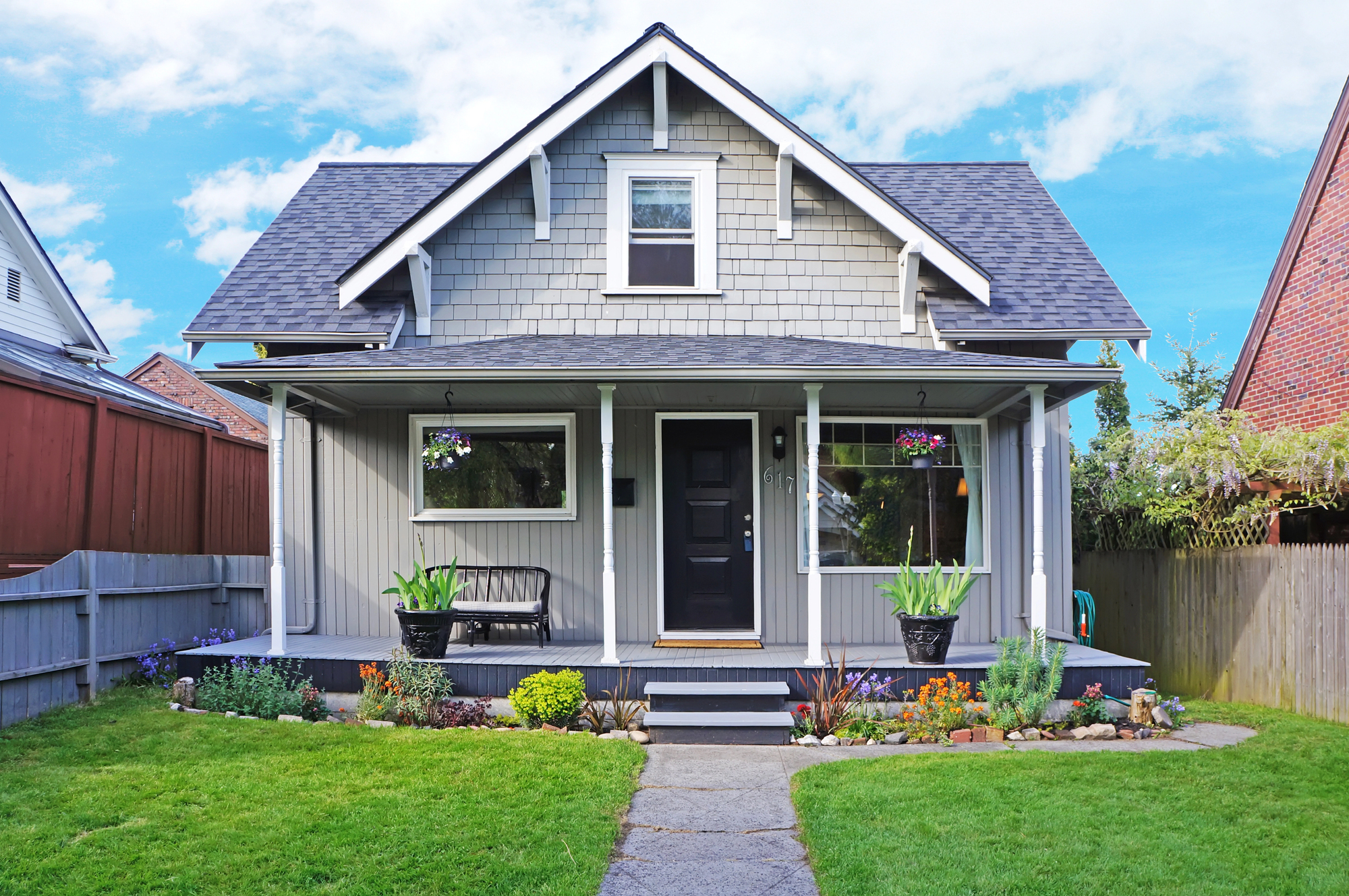
The real estate comparative approach is how a home's value is assessed. Homes are grouped together by things like square footage, number of rooms, number of bathrooms, garage addons and lot size, then assigned a price that similar homes have recently sold for in this same neighborhood or one close by.
Here's the point I'm making here...
I really hope that you try your best to do quality work on your own home. If however, your work is a little less than good, it won't make much difference as long as it passes the inspections and none of the inspections are looking for work quality. The value will be about the same as the other homes in the neighborhood. Poor quality could affect the time frame to sell to another owner someday though. It might be on the market a bit longer than other homes.
I don't want people to feel discouraged if they don't have much experience with carpentry. You will always learn something new in this process and there isn't anything difficult to understand. A great time to learn to use tools is during stage 1 while you are saving for construction.
Owner-builder mindset for beginners
You will need to learn how to read a tape measure if you don't already know. It will be your best tool. You will need a square and circular saw. A hammer and nails will be needed to join the cement forms together. At this point in your project, you will find that it is a great time to learn the basics of carpentry because rough work is fairly forgiving. Having said that, there is one important part of the first work you will do. The foundation needs to be in square. I will discuss this a lot more in the foundation web pages on this site. If the foundation isn't in square it will cause problems in almost every part of the construction process.
If you have limited carpentry experience and didn't even take shop in middle school, you will have an extra challenge to learn how to measure and cut. Understand that all of the work you do at first will get covered up. It's called rough work and it is the framing part of the house and all framing gets covered.
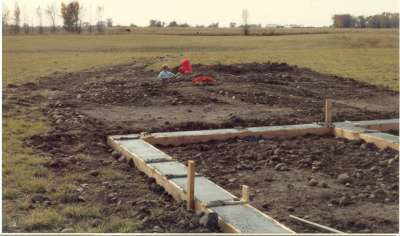
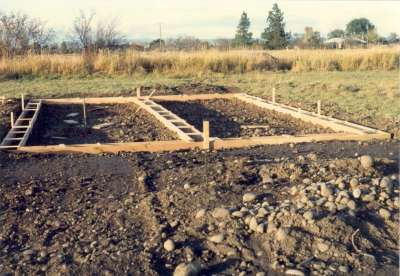
You will most likely start to learn how to measure and cut lumber when you build forms for a foundation. This is good practice because forms are cheap quality lumber and mistakes are not very expensive if you accidently cut a board too short and need to use a new board. Forms will be removed after the foundation is dry.
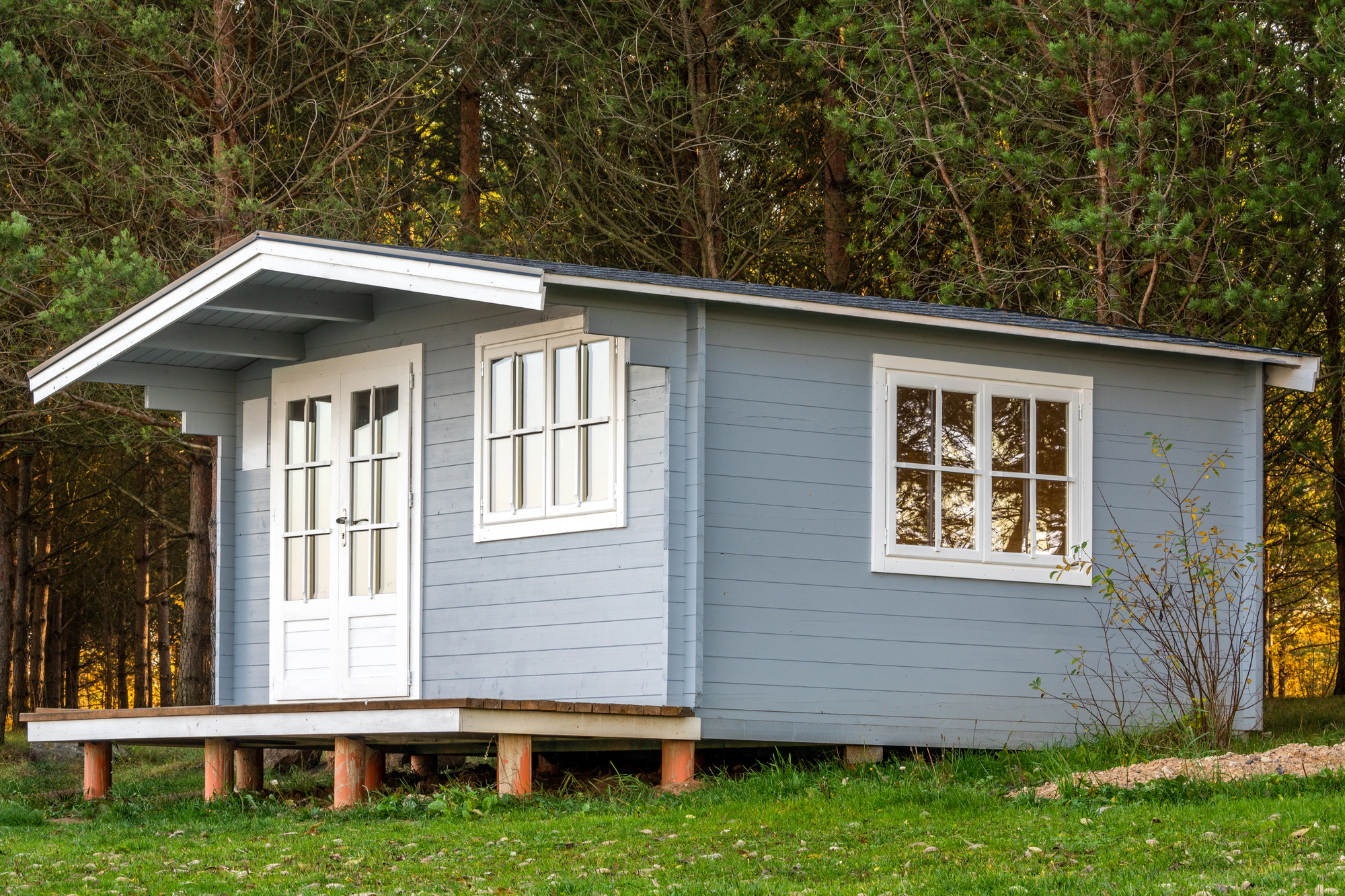
If you build a tiny home and it doesn't need a foundation, then you will start with the floor and build walls on that floor.
There will be special treated lumber on the floor if a foundation isn't needed. You may also want to build on a trailer so you will need to secure the floor to the trailer.