Pouring footings on undisturbed earth
Pouring footings on undisturbed earth is important when digging the footing. When preparing your foundation excavation, you have several methods to choose from. While manual tools like a pickaxe and shovel are options for smaller projects, this approach is highly labor-intensive.
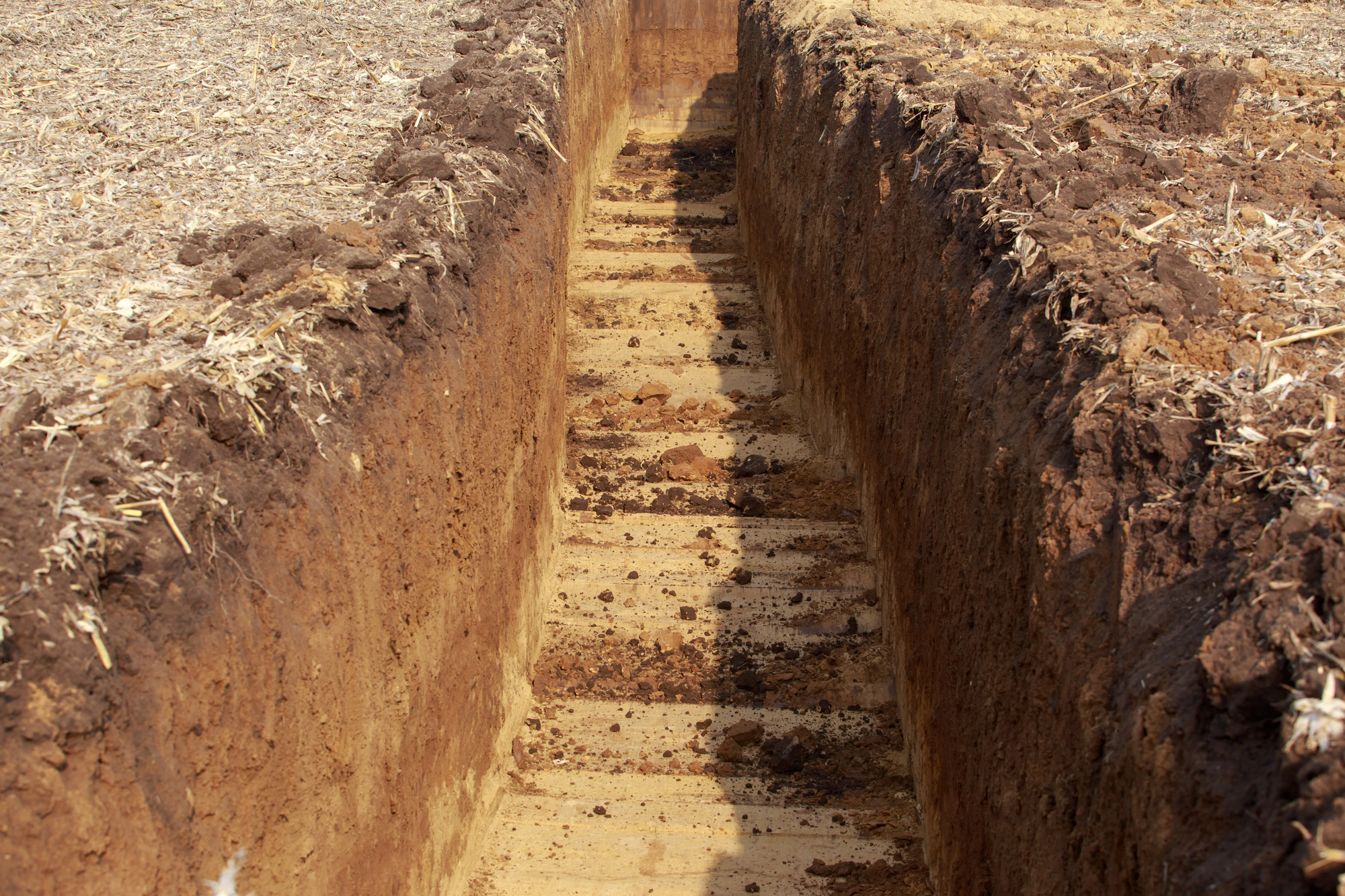
For most builds, renting or hiring a backhoe is strongly recommended to save time and effort. It all depends on your pocketbook and level of ambition.
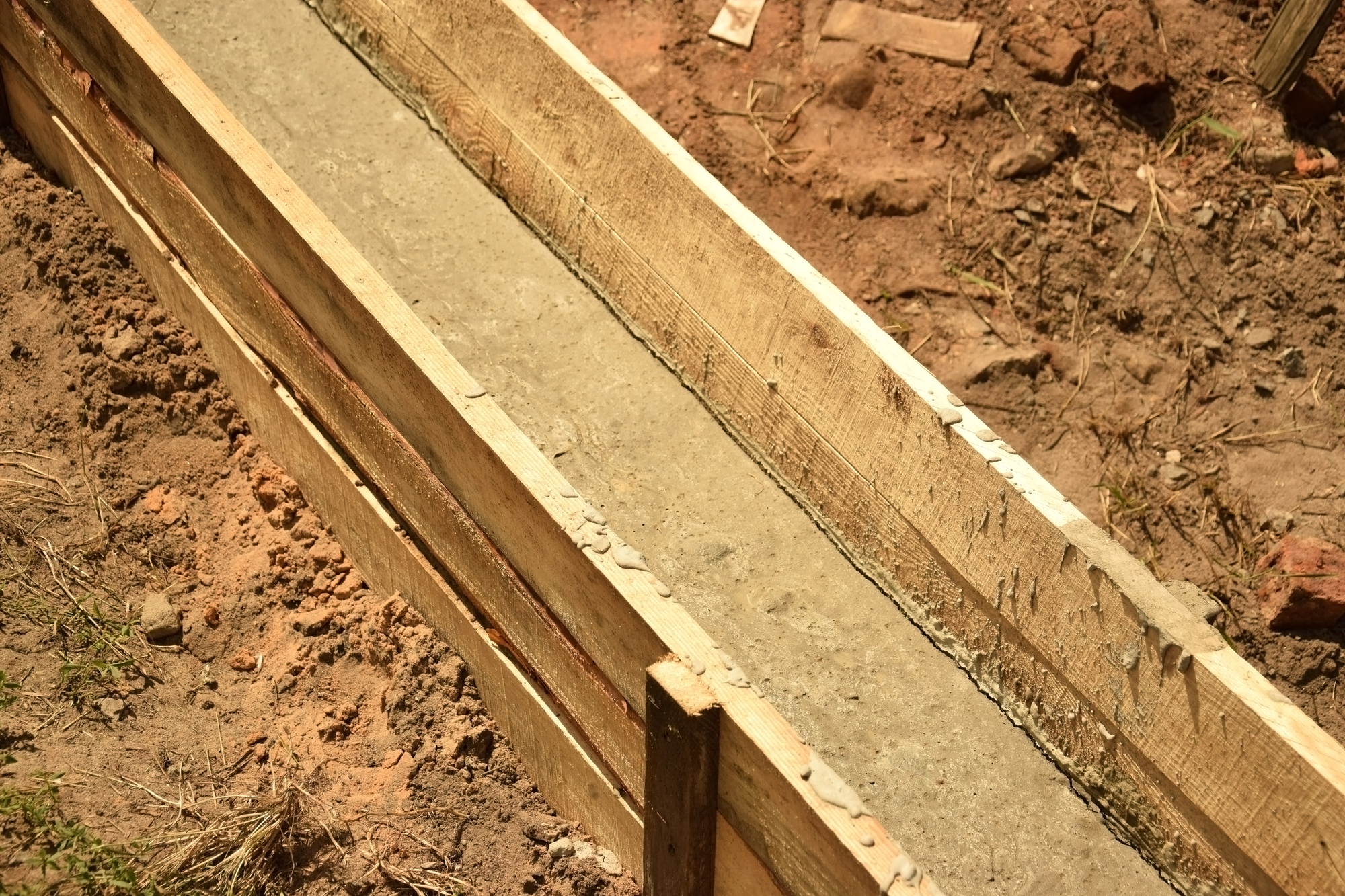
Your choice of equipment will ultimately depend on your local soil composition and the required depth of your excavation. In ideal conditions—such as loose, rock-free tropical soil—manual excavation with a shovel and wheelbarrow may suffice. However, if your soil is highly rocky or compacted, heavy machinery becomes essential.
Pouring footings on undisturbed earth building codes will be available from your local inspector
To determine your exact excavation depth, you must first establish the local frost line. Your local building inspector can provide this measurement, which dictates how deep and wide your footings must be. Experienced local foundation contractors are also excellent resources for these precise regional requirements. Typically, footings must extend at least 12 inches below the frost line to ensure structural stability.
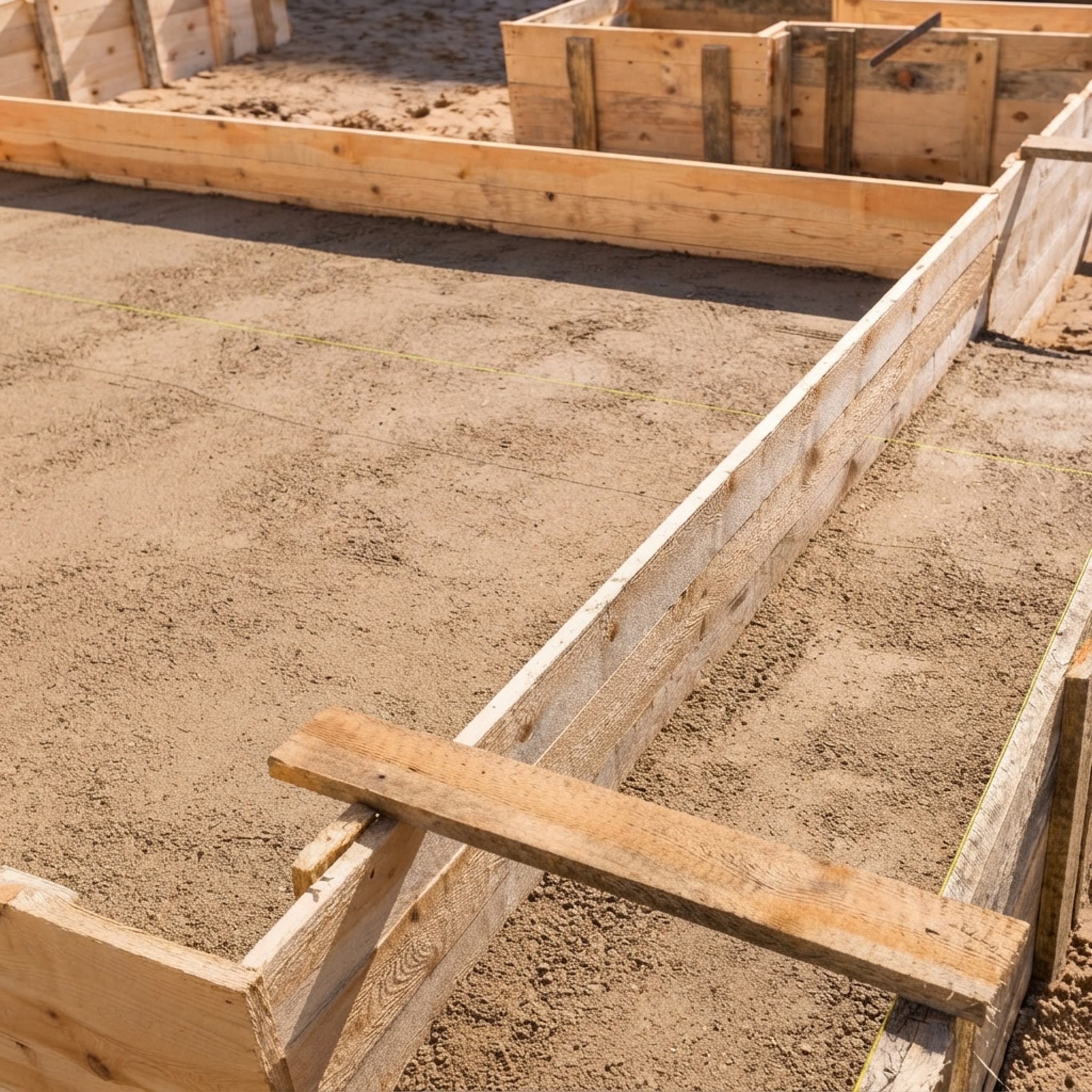
Remember, everything rests on the soil under the foundation and houses can be pretty heavy and the footer needs to be at least 12 inches wide by 6 inches deep. It shouldn't be poured on loose dirt because that could cause unintended settling.
I think 12 inches is too narrow for a footing. I made my house footings 18 inches to be safe and my house was only 2,000 square feet.
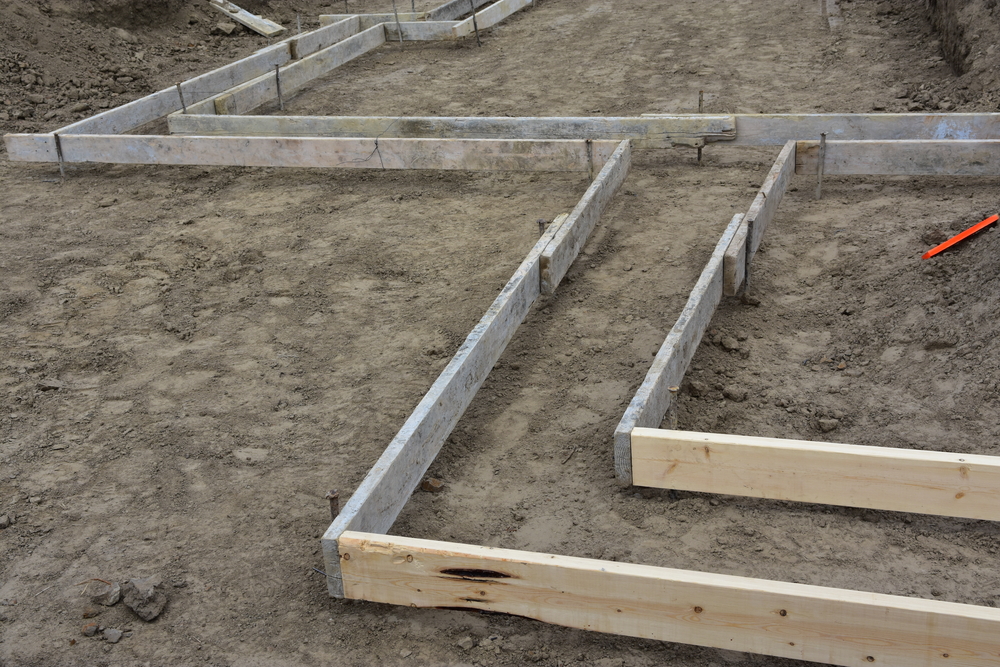
Footings need to be on undisturbed, natural soil or engineered fill. There are some really good guidelines for foundation requirements at the International Association of Certified House Inspectors. Image courtesy of nachi.org
If you choose to build a small home, you might be able to get away with doing the minimum requirements simply because the weight of the home won't be that much. It also matters if you want to build a second story. It all adds to the weight and will determine how the footer needs to be structured.
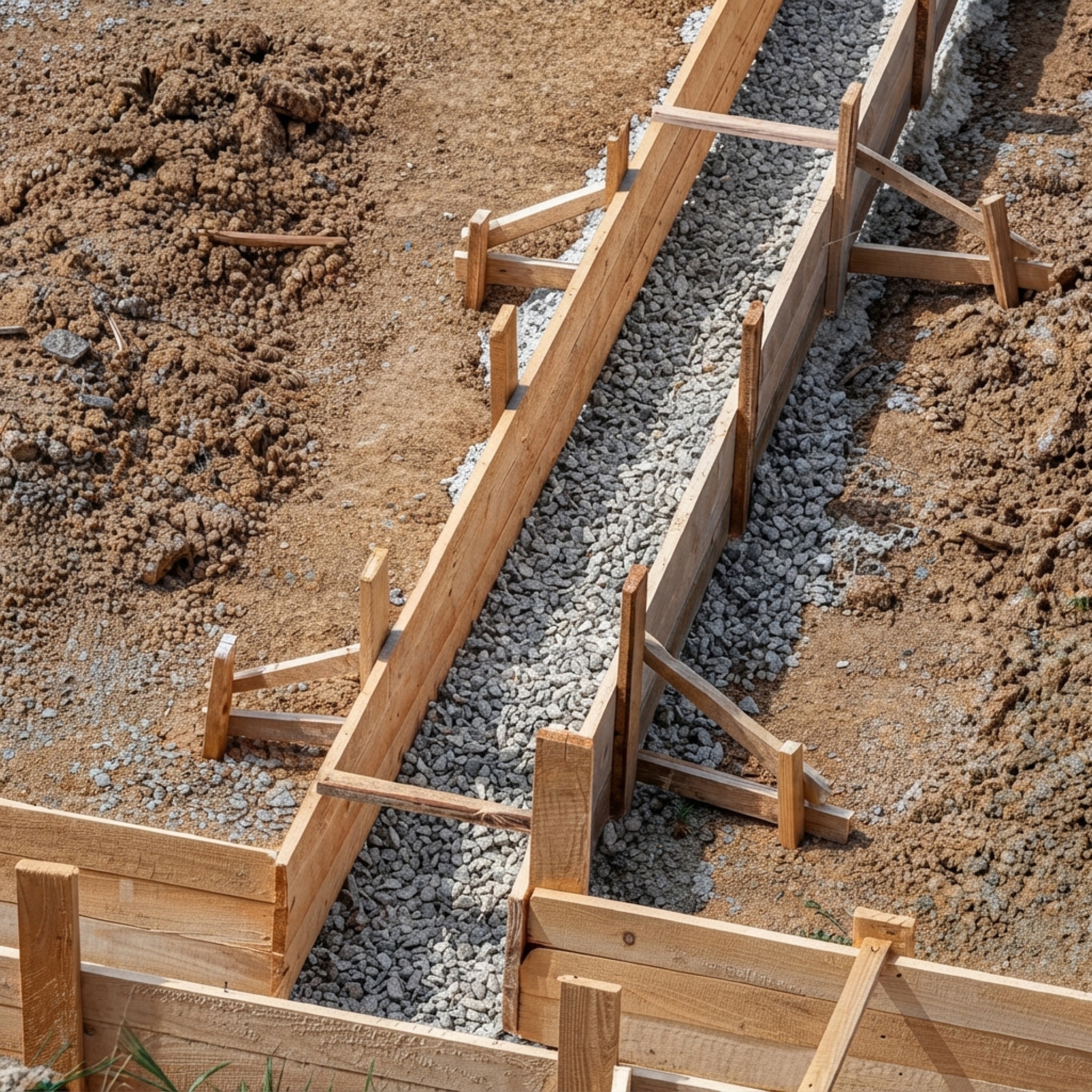
If your terrain is rocky, then you are in luck. That's a good base for a footing. If the terrain is more of a clay base or something that is soft, you may consider tamping the dirt really well and the adding a thin layer of crushed gravel.