Straight claw vs rip hammer for beginner house framing
As far as straight claw vs rip hammers for beginner house framing, you will need what is the most comfortable. Standard household hammers won't cut it when you're driving framing nails all day. Discover why a dedicated framing hammer with a straight claw and a textured waffle face prevents fatigue, saves your elbows, and makes hand-nailing stud walls infinitely easier for owner-builders.
While I did use my power drill/driver for putting in screws on a lot of the framing, I also used a hammer plenty. Not just for framing but for almost every aspect of the building process.
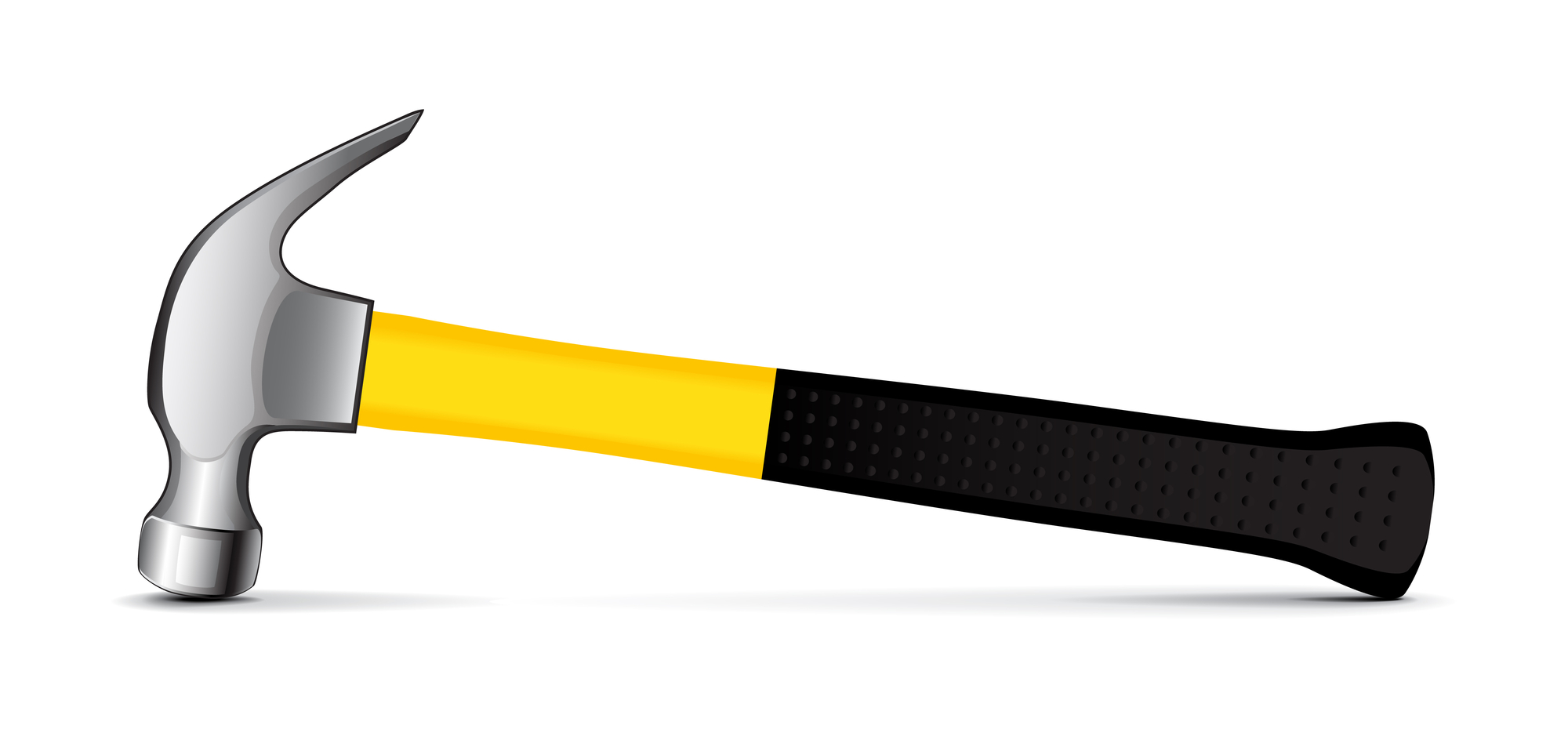
Reach for a standard 16-ounce smooth-faced household hammer on a framing site, and you'll end up with bent nails, slipped strikes, and a severely sore elbow by lunchtime. When stepping onto a live build, understanding the difference between a straight claw vs rip hammer for beginner house framing completely changes your workflow.
Straight claw vs rip hammer for beginner house framing
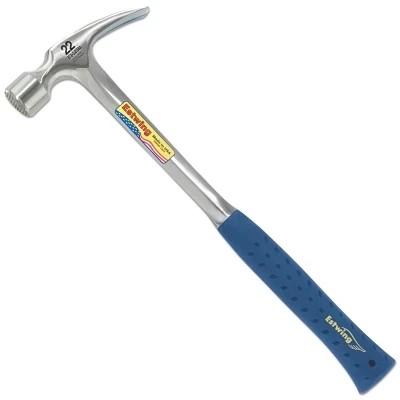
Real framing hammers are heavy-duty beasts featuring longer handles for aggressive leverage, a waffle-textured face to grip nail heads, and a straight claw designed to tear apart misaligned lumber. Here is how to choose a hammer that does the heavy lifting for you while protecting your joints. DIY novice builders should start out with no more than 20 oz framing hammers from what I have experienced. Bigger hammers require much stronger forearm strength and a strong grip. The right hammer will be comfortable to use eventually if you haven't strengthened those muscles yet.
- Vibration Dampening: Steel-handled hammers must have advanced grip-molding to prevent shock waves from traveling into the user's elbow.
- Waffle Face Longevity: The cross-hatch texture on the striking face must be hardened steel so it doesn't wear smooth after driving thousands of 16d nails.
- Nail Starter Magnet: The magnetic nail set on the spine must hold a heavy dual-coated framing nail securely for overhead, one-handed reaches.
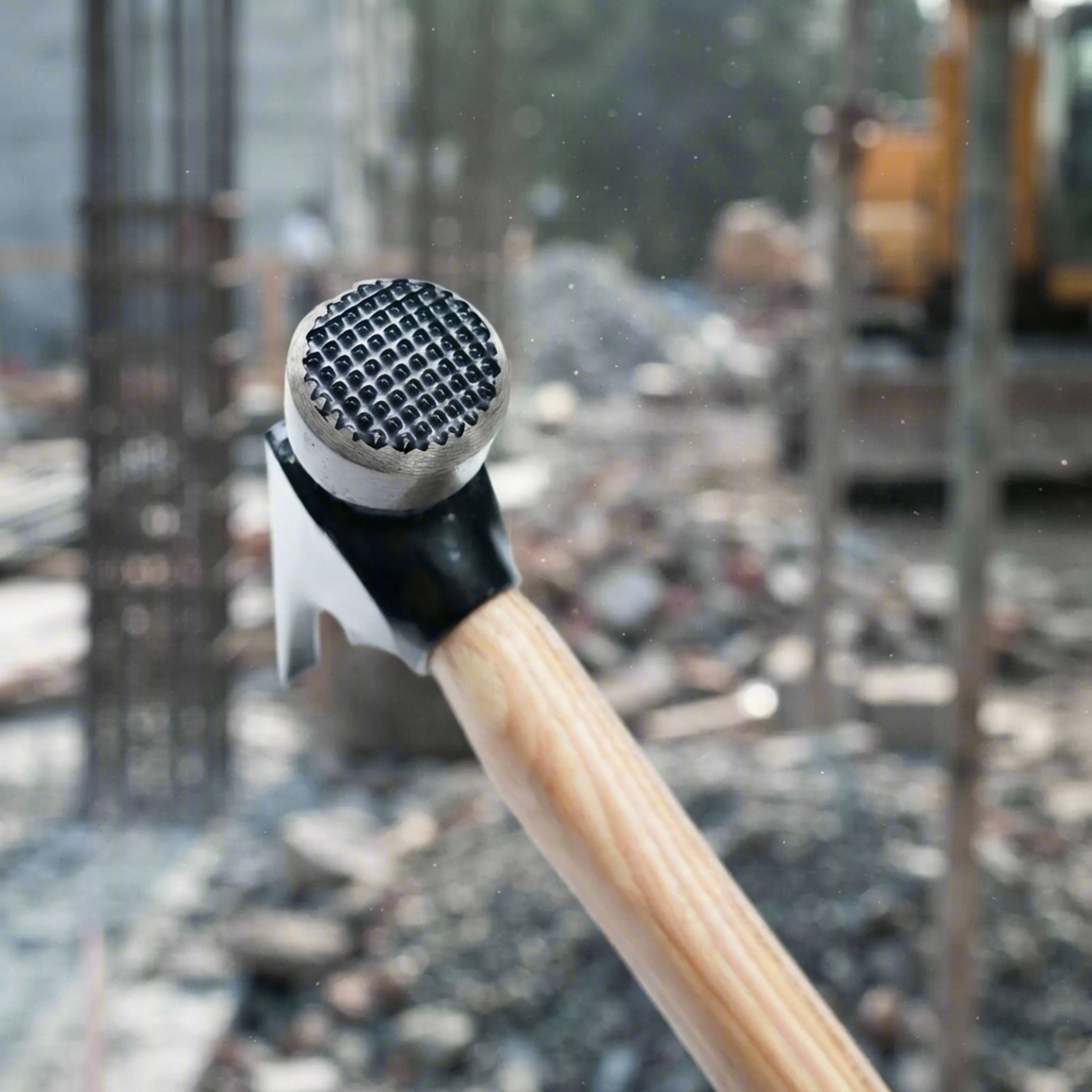
Prevents Slippage: The grid pattern acts like grid- teeth that bite into the head of a nail, reducing glancing blows or the hammer sliding off during hard swings.
Better Control at Angles: It helps maintain grip when driving nails in awkward positions, such as toenailing.
Framing Efficiency: Typically heavier (ranging from 20 to 32 oz), these hammers are built for rough structural work where maximum driving force is needed.
Drawbacks and Limitations
Leaves Marks: The grid pattern leaves a distinct checkered imprint or dents on the wood surface.
Not for Finish Work: Because of the surface damage it causes, it is not used for visible trim, cabinetry, or finish carpentry.
Thumb Safety: Hitting your thumb or fingers with a waffle face inflicts significantly more tissue damage than a smooth face hammer.
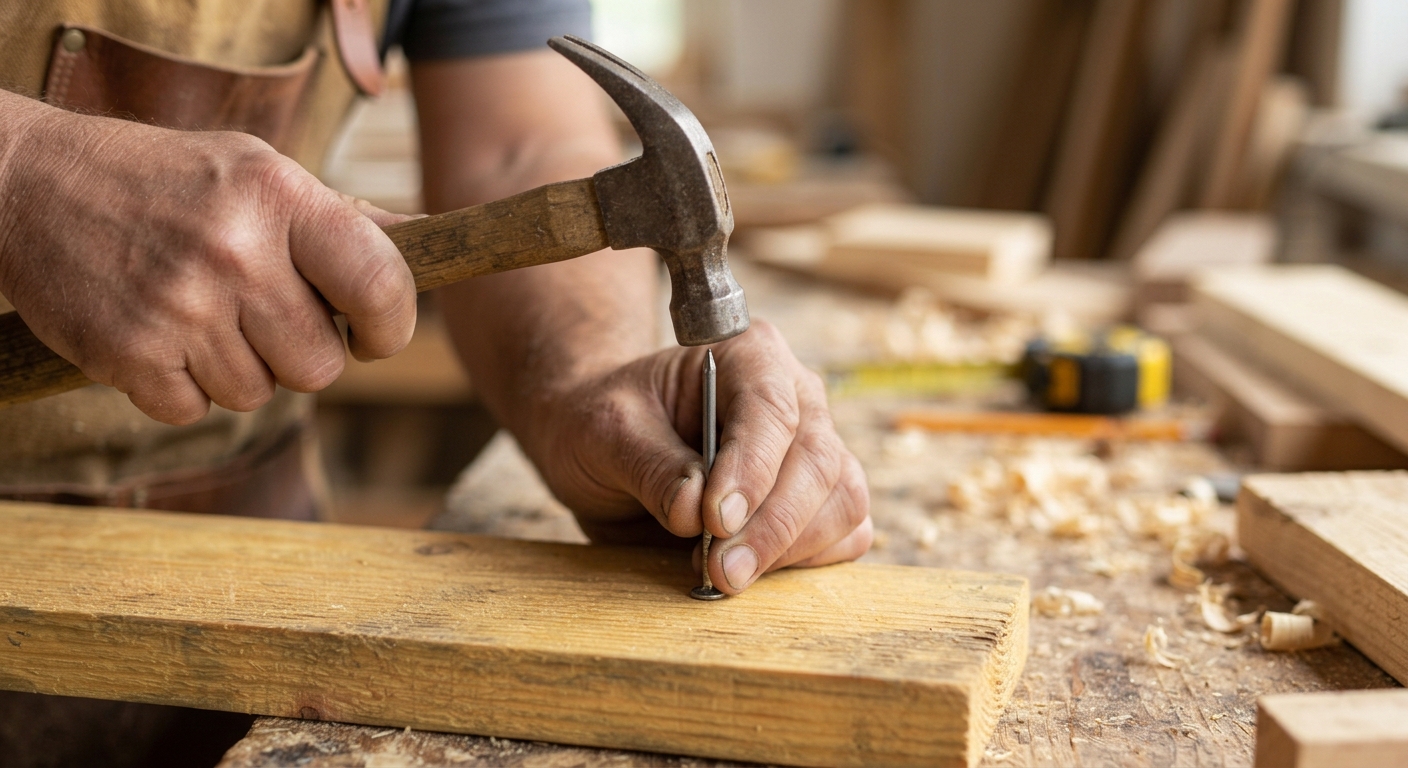
A little tribal knowledge here: if you keep splitting lumber when you try to nail into it, just turn the nail over and gently tap the tip so it's slightly more blunt than it was before, and then turn it over and try it again. That really does seem to be kind of counter-intuitive, but it works to keep boards from splitting. Give it a try.