Best 4 foot level for plumbing walls DIY
Getting the best 4 foot level for plumbing walls DIY projects is a matter of finding an inexpensive level that has etched calibrations that won't get rubbed off with heavy use and will take a beating at the construction site.
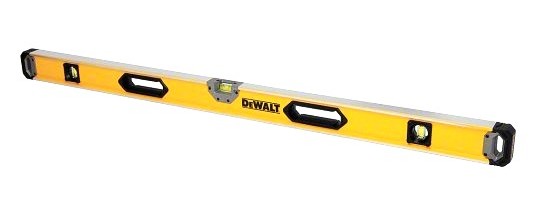
A wall can look perfectly straight to the naked eye and still be dangerously out of plumb, inviting structural sag down the road once the heavy roof loads are applied. Tracking down the best 4 foot level for plumbing walls DIY is non-negotiable for anyone building their own home skeleton.
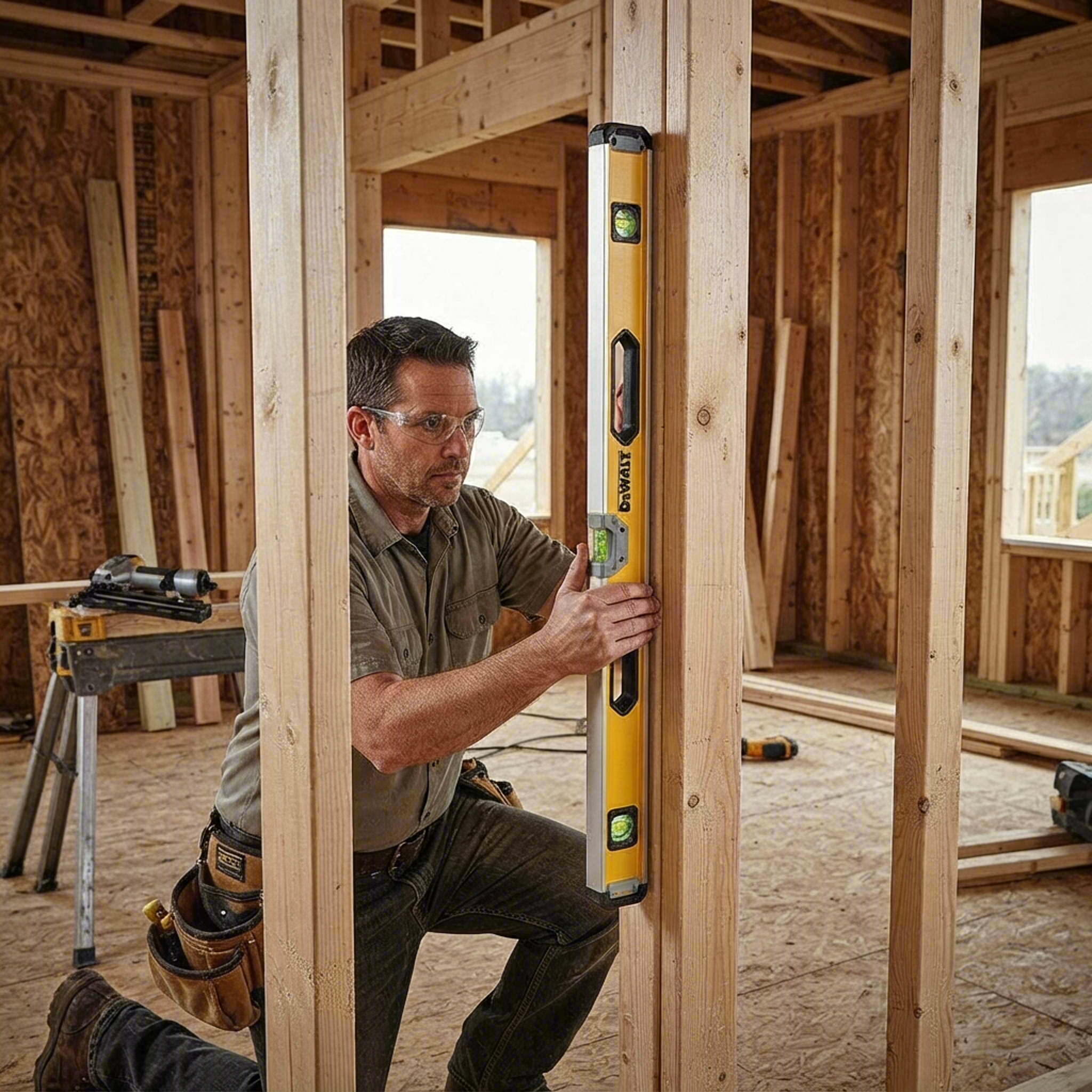
A house must be square, level, and plumb. You'll find out why a rugged, highly accurate 4-foot spirit level is the ultimate tool for verifying that your newly raised stud walls are perfectly vertical before you secure them to the rim joists and subfloor.
A standard torpedo level is simply too short to bridge the gaps across warped studs, whereas a rugged 4-foot spirit level gives you the exact length required to guarantee your vertical framing is completely upright before nailing it off.
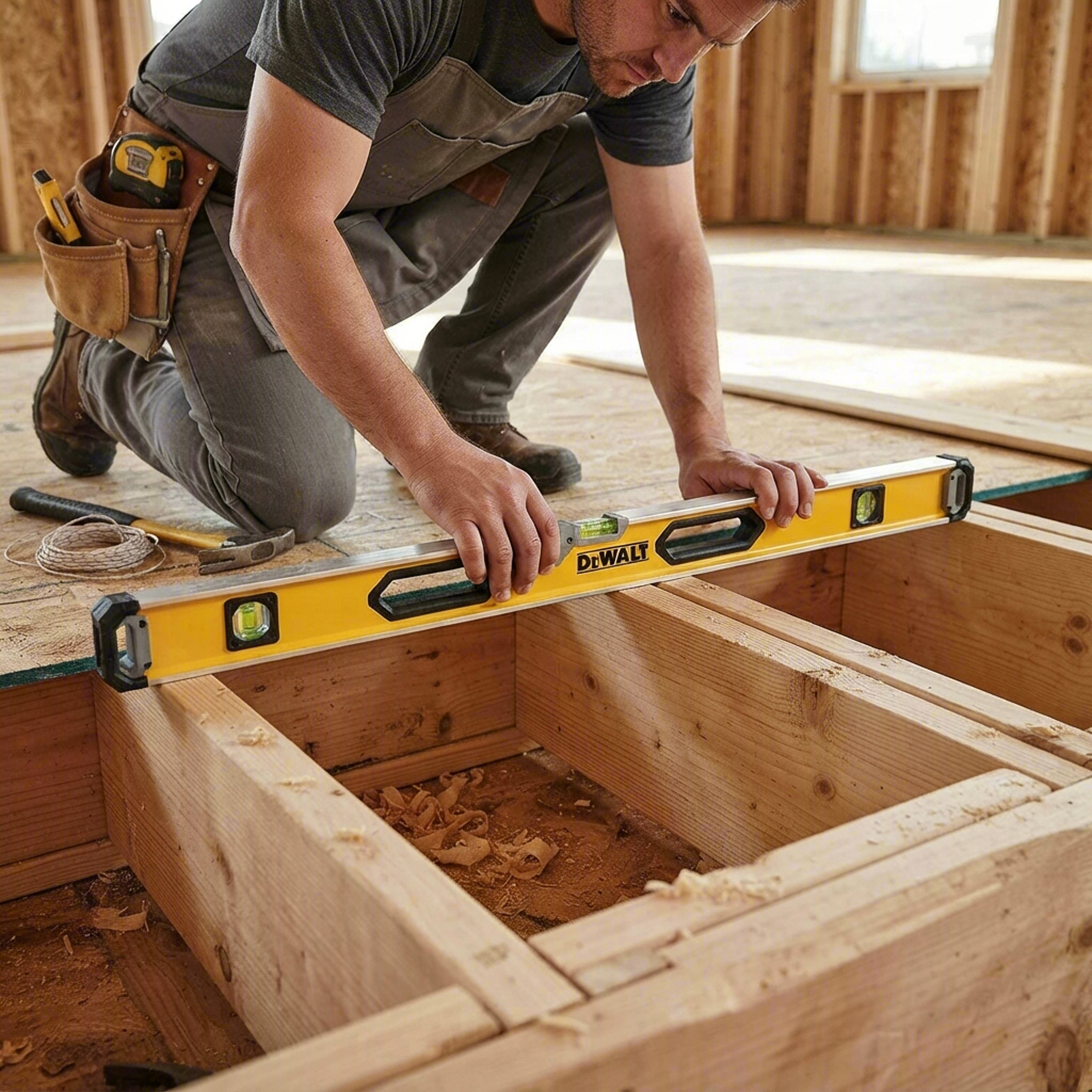
You need the level for so many things in a home construction project. Nobody wants to have floors that are sloped. When installing floor joists in the bottom and upper floors, a level will make sure everything is even and level. The four foot length helps straddle floor joist with either 16-inch centers or 24-inch centers so you can get exact measurements for a perfectly level floor.
A level is quite simple and inexpensive, but it's so critically important and will be heavily used. You will want to get a good quality level that will last the duration of your project. Here are some standards that you'll want when you buy a level for the best price. Here is what to look for in vial visibility and frame durability.
- Vial Housing Armor: The spirit vials should be encased in solid acrylic blocks and shrouded by heavy-duty rubber end caps to survive vertical drops onto concrete slabs.
- Dual-Milled Surfaces: Top and bottom surfaces must be precision-milled flat to guarantee identical readings whether checking top plates right-side up or upside down.
- Plumb-View Mirroring: Levels you can see and read no matter the angle is important and might not be included in cheaper levels.